
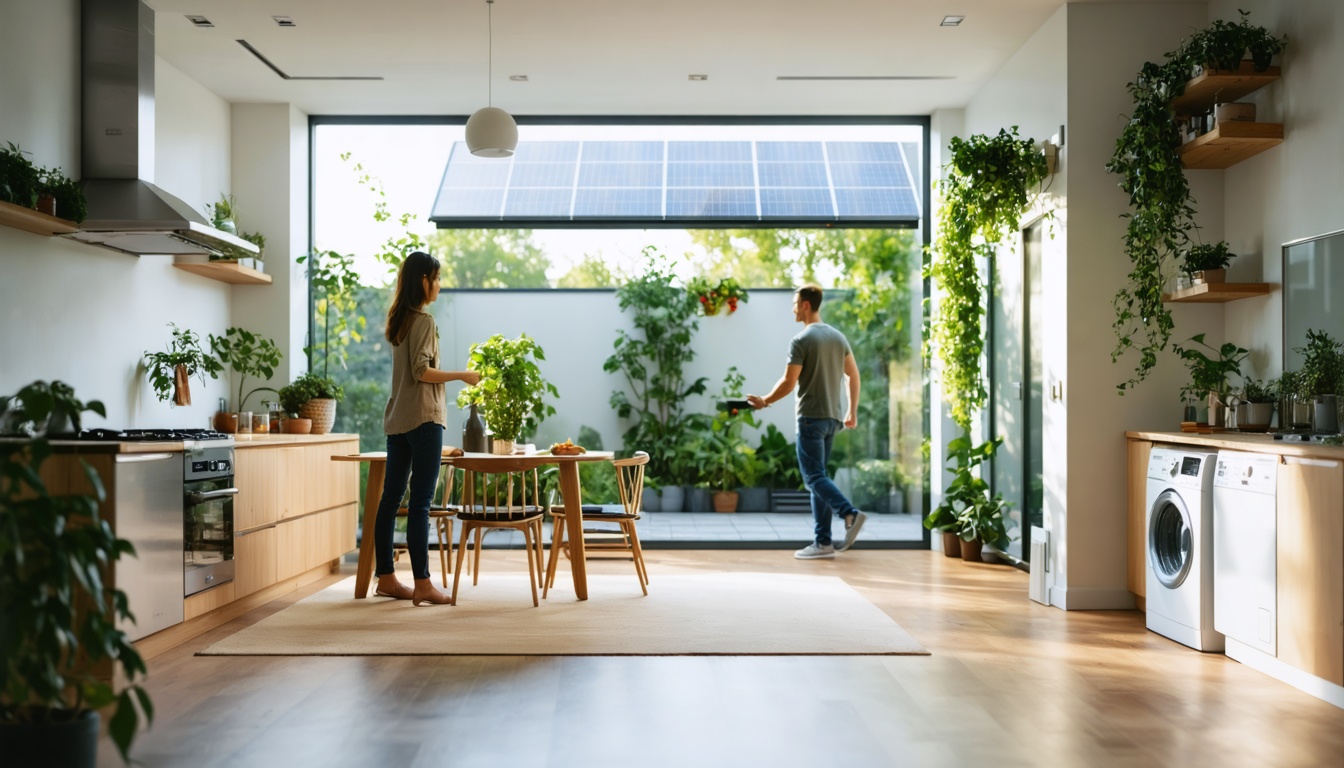
How Smart Energy Habits Can Reduce Household Electricity Waste
Implementing smart energy habits can significantly decrease electricity waste in households. Effective changes often involve optimizing the use of appliances and transitioning to energy-efficient lighting solutions. These adjustments contribute not only to financial savings but also to environmental sustainability and enhanced household comfort. Rethinking daily energy consumption can reveal areas for improvement. For example, utilizing programmable thermostats can regulate heating and cooling more efficiently, while turning off unused appliances and lights can further reduce unnecessary electricity usage. Additionally, switching to LED bulbs can lower energy consumption by approximately 75% compared to traditional incandescent bulbs, providing a substantial reduction in electricity bills over time. By adopting these practices, households can realize a meaningful impact on their energy consumption. Systematic changes, while seemingly minor, collectively contribute to more sustainable energy use.
Managing Energy Usage and Appliances
Managing energy consumption in households requires attention to the use of various appliances and electronics, as these elements can significantly influence energy costs. It is beneficial to turn off and unplug devices when not in use to minimize unnecessary energy expenditure. Employing safety standards and utilizing smart meters can enhance energy savings by offering insights into consumption patterns.
Upgrading to more efficient appliances, taking advantage of available discounts, and ensuring proper insulation can collectively improve overall energy efficiency in homes. In Victoria, programs are available to encourage the adoption of renewable energy sources, including solar, wind, gas, and electric solutions. For those interested in solar services specifically, you can explore options through Solar Services for Jamaica Homes, which may contribute to reduced energy bills while promoting environmental sustainability.
Support from industry stakeholders and regulatory frameworks is essential in facilitating these energy efficiency initiatives. Programs like Solstice offer assistance to households seeking to optimize their energy usage.
Additionally, it is important to monitor high-consumption systems, such as hot water units and induction cooktops, and to maintain adequate air quality during colder months.
Utilizing initiatives like storage targets and the Midday Power Saver can lead to financial savings for consumers. Case studies from Victoria provide evidence of the tangible benefits of implementing energy-saving measures, highlighting the cost reductions possible for households that adopt these strategies.
Efficient Lighting Solutions
A methodical approach to decreasing household electricity consumption involves the implementation of efficient lighting solutions. One notable improvement is the adoption of LED bulbs, which consume significantly less energy compared to traditional incandescent bulbs. Residents in Victoria can take advantage of available discounts on LED upgrades, reinforcing adherence to established industry energy consumption standards.
In addition to upgrading lighting, advances in technology such as smart meters, solar energy systems, and wind energy solutions contribute to enhanced energy efficiency and safety in both residential and commercial environments. The integration of motion sensors can reduce energy waste by ensuring lights are activated only when necessary.
Further energy savings may be achieved by adopting straightforward practices such as switching off lights when not in use and effectively using reverse cycle heating and cooling systems. The implementation of external blinds can also decrease energy demand in homes involved in Victoria’s renewable energy initiatives.
Proper insulation plays a crucial role in reducing overall energy expenditure, thereby improving thermal efficiency. Ongoing regulatory reviews and the establishment of common inquiries provide consumers with resources to navigate available energy-saving options.
The introduction of storage targets and related upgrades is also shaping the future of electricity consumption.
Analyses of various case studies reveal that investments in efficient lighting and energy solutions can lead to measurable financial savings, thereby substantiating the advantages of such upgrades.
Optimizing Heating and Cooling
Adjusting your thermostat to recommended levels—between 18 and 20 degrees Celsius during winter and at least 26 degrees Celsius in summer—can result in noticeable reductions in household energy bills.
For Victorian homes, the deployment of reverse cycle air conditioning and the proper installation of insulation can improve energy efficiency, leading to potential cost savings.
Smart meters and smart thermostats enable homeowners to track their energy consumption in real-time, which can facilitate compliance with regulatory standards.
In Victoria, there are various programs that provide financial incentives for energy-related upgrades, along with initiatives aimed at promoting renewable energy solutions, establishing storage targets, and pursuing zero emissions.
Enhancing air conditioning systems through optimization, applying zoning for ducted systems, and closing off unoccupied rooms can contribute to overall energy efficiency.
Additionally, adhering to power savings guidelines during peak midday hours can help lower energy costs while maintaining safety and comfort in the home.
These practices represent a systematic approach to energy management in residential environments.
Reducing Energy Consumption in Washing and Cooking
Reducing energy consumption in household washing and cooking can be accomplished through several effective strategies. Utilizing cold water for laundry and ensuring that washing machines operate at full capacity can lead to increased energy efficiency and reduced costs.
These practices align with the guidelines established by Victorian industry standards and comply with electricity regulations.
The adoption of induction cooktops may enhance cooking efficiency, as these appliances are designed to facilitate quicker and safer heat transfer, potentially resulting in lower energy usage.
Additionally, employing slow cookers or preparing meals in bulk are alternative methods that can contribute to decreased energy consumption and cost savings over time.
In Victoria, various programs are available that provide discounts and upgrades for energy-efficient appliances, benefiting both residential and commercial entities.
The energy efficiency practices endorsed for both winter and summer months are designed to meet safety and efficacy standards, supporting the region's aims to achieve net-zero emissions.
Implementing these measures can improve household energy efficiency while also furthering wider environmental objectives.
Tracking and Comparing Energy Use
Assessing electricity usage efficiency in households can be conducted effectively using smart meters. These devices provide real-time data on energy consumption, allowing users to analyze when and how electricity is used, thereby revealing usage trends.
In Victoria, the Victorian Energy Compare tool is an effective resource for households to evaluate a variety of energy offers. This tool can assist in identifying potential cost savings and improving energy efficiency.
Regular monitoring of both electric and gas bills is critical for recognizing consumption patterns, which can be analyzed alongside seasonal energy-saving tips for both winter and summer.
When considering new appliances, comparing options like induction cooktops and reverse cycle air conditioners can inform decisions about which appliances to upgrade for enhanced efficiency. Such comparisons may also uncover available rebates and aid in regulatory assessments.
Various case studies from sectors including residential and commercial settings highlight successful energy savings strategies.
A thorough understanding of energy consumption is vital for compliance with regulatory standards and supporting Victoria’s renewable energy goals.
Incorporating Solar and Insulation Strategies
The incorporation of solar and insulation strategies is a practical method for reducing electricity consumption in residential environments. In Victoria, various programs under the Solar Program and insulation upgrades are designed to assist households in lowering their energy expenses while facilitating a reduction in greenhouse gas emissions.
The implementation of a solar hot water system can reduce dependence on gas, thereby improving overall energy efficiency. Additionally, the installation of ceiling insulation can result in savings of approximately 20% on heating and cooling costs, which is significant for promoting energy conservation.
Furthermore, access to financial incentives is available, including discounts, regulatory adjustments, and support for storage projects. The use of smart meters alongside adherence to industry standards provides detailed insights into energy consumption, which aids households in managing their energy use more effectively.
Both residential and commercial entities in Victoria can benefit from the adoption of new electrification technologies, such as induction cooktops and reverse cycle air conditioning. Support measures include informational resources, assistance with payment plans, seasonal energy-saving tips, and incentives aimed at optimizing energy consumption during peak demand periods.
In summary, the integration of solar and insulation solutions presents a methodical approach to enhancing energy efficiency and reducing utility costs while contributing to environmental sustainability goals.
Conclusion
Adopting energy-efficient practices can significantly impact household electricity consumption. Implementing changes such as upgrading to energy-efficient appliances and optimizing heating and cooling systems can lead to reduced energy usage. Furthermore, regularly monitoring energy consumption can provide insights that help identify potential areas for improvement. The transition to energy-efficient appliances is essential, as these devices typically consume less electricity compared to standard models. According to the U.S. Department of Energy, energy-efficient appliances can save households a substantial amount on energy costs over time. Additionally, optimizing heating and cooling, through measures such as proper insulation and programmable thermostats, can reduce energy demand during peak usage times. Moreover, tracking energy consumption using smart meters or energy monitors allows households to identify patterns and adjust usage accordingly, which can contribute to overall energy conservation. These changes not only result in reduced electricity bills but also play a role in supporting grid stability and reducing environmental impact. In summary, by implementing practical and data-backed energy-saving measures, households can effectively manage electricity use while also promoting sustainability. Making informed choices regarding energy consumption can lead to long-term benefits for both the individual household and the broader community.